

Quick guide
A photo email reading uses an image as part of a written consultation. It may offer a visual starting point for reflection, but a photograph does not establish someone’s hidden feelings, health, aura or future. Before sending one, check consent, identifying details and the provider’s handling of the file.
Some practitioners ask for a photograph to focus their interpretation; others do not require one. Ask what the image is used for and whether a text-only question is possible. You do not need to share a picture simply because a reader says it will create a stronger connection.
What a photograph can actually show
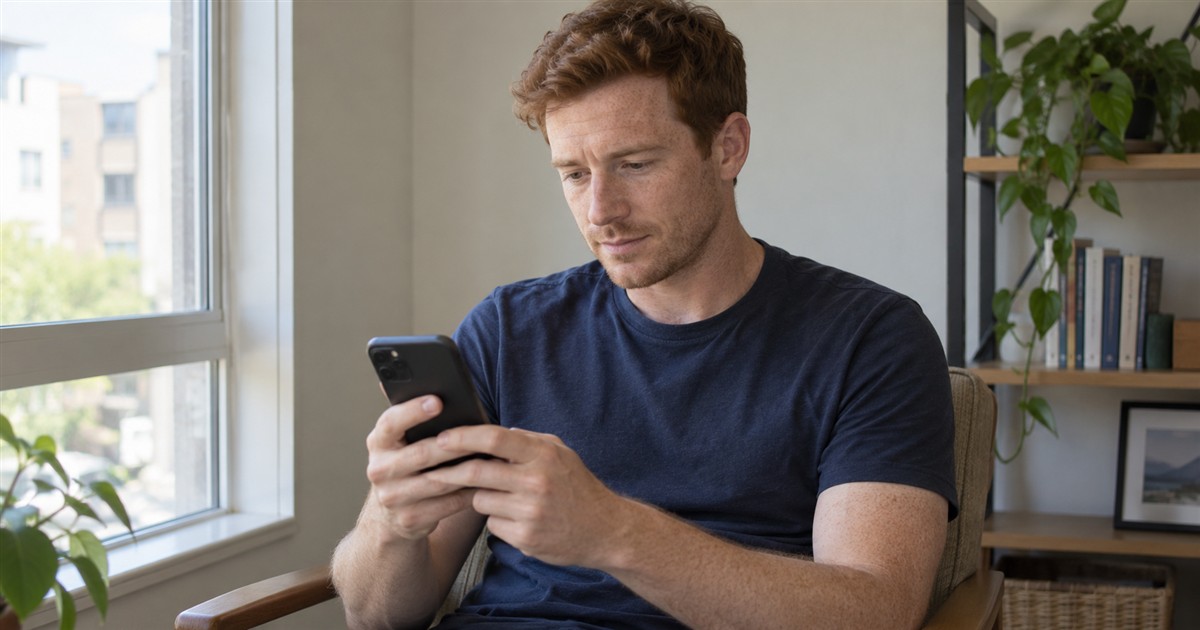
A picture can show a visible expression, clothing, objects and a setting. Those observations may suggest questions, but their meaning is uncertain. A serious expression in one frame does not establish depression, relationship trouble or a person’s usual mood.
An interpretation about an aura or psychic energy is a spiritual claim, not a diagnosis or independently confirmed fact. The APA’s description of extrasensory perception distinguishes claims of knowledge outside ordinary sensory channels from established ways of gathering information. Providing a photograph does not verify such a claim.
Possible practical benefits
If you enjoy visual reflection, a chosen image can help you discuss what a period of your life means to you. You might notice what you remember about the occasion or what you want to change now. Those are your observations, not proof that a reader extracted hidden facts.
The email format also allows time to write and revisit a response. For those advantages and their limits, see the client-and-reader email guide. A photograph adds information-sharing risks; it is not necessary for every reflective conversation.
Three checks before sending a photo
1. Permission
Is it yours to share, and has anyone else pictured agreed to this specific use?
2. Identifying details
Check the background, file name and location metadata—not just the face.
3. Handling
Confirm who receives it, whether it is stored or reused and whether you can request deletion.
Consent matters, including in relationship questions
A publicly visible image is not an invitation to send it to a reader to investigate someone’s private feelings. Ask permission before sharing another person’s photo for this purpose. Do not send an ex-partner’s image to seek access to their thoughts or bypass a contact boundary.
The Australian eSafety Commissioner’s consent guidance emphasizes informed, freely given permission for image sharing. As a practical boundary, make clear who will receive the image and why; permission for a family album or social post is not automatically permission for a psychic consultation.
Avoid using children’s images, intimate photographs, identity documents or images containing other people’s private records. If permission is missing or the subject would not welcome the use, choose a text-only question about your own choices.
Check what the file reveals
eSafety’s photo-sharing guidance warns that visible backgrounds can reveal information such as an address, workplace or phone number. Inspect signs, mail, screens and documents before sharing. Cropping a background does not necessarily remove information embedded in the file.
Photo metadata can include location coordinates. Apple’s location-metadata guide explains how to review location information and turn off Location in the Photos sharing options on iPhone or iPad. Other devices and apps use different controls; check their official instructions and the actual copy you intend to send.
Do not assume emailing, resizing or taking a screenshot makes an image anonymous. A file without GPS data may still identify you through its face, background or accompanying message. When in doubt, do not send the image.
Ask about storage and reuse before purchase
- Necessity: can the service proceed without a photo?
- Recipient: does only the named reader receive it, or do staff and other services handle it?
- Retention: how long are images and messages kept?
- Reuse: could the image appear in advertising, examples or other material? Do not assume consent to a reading authorizes publication.
- Deletion: what can be removed on request, and are there stated backup or record-keeping limits?
- Terms: confirm the scope, price, response deadline and included clarification.
You cannot guarantee that every copy will disappear after sending a file. If the provider’s answer is vague or you feel pressured to disclose more, decline. Our preparation checklist offers a way to define a question without an extensive personal dossier.
Review the response without self-blame
A confident reader can still be wrong. You are not required to believe in the method to avoid responsibility for a failed prediction. Do not accept a claim that skepticism caused an inaccurate answer or that another payment will fix your energy.
Preserve the original response and separate specific statements from broad interpretations using our accuracy checklist. Use appropriate qualified help for consequential health, financial or legal concerns. You can enjoy a symbolic prompt while rejecting an unsupported claim—or decide not to book at all.
Frequently asked questions
1. What is a photo email psychic reading?
It is a written consultation in which a practitioner uses a supplied photograph as part of their interpretation. Requirements vary, so ask whether a photo is necessary and how it will be handled.
2. Can a photograph prove what someone secretly feels?
No. A visible expression in one image does not establish private thoughts, motives or relationship feelings. Ask the person directly where appropriate and respect their boundaries.
3. Can a reader diagnose health problems from an aura in a photo?
Do not treat an aura interpretation as a diagnosis. Health concerns need appropriate medical assessment, not decisions based on a photograph or psychic claim.
4. Does a photograph make a prediction more accurate?
Providing an image does not establish predictive accuracy. Assess what was actually claimed, what information was supplied and whether a specific outcome can be checked.
5. What practical benefit might a photo offer?
It can serve as a visual prompt for discussing your own memories or current priorities. That reflective use does not prove that hidden facts or future events were obtained from it.
6. Can I ask for a text-only reading instead?
Yes, you can ask whether that option is offered. If you do not want to share an image and the provider requires one, you may decline or choose another service.
7. May I send someone else’s public social-media picture?
Do not assume public visibility gives permission for this use. Ask for informed permission to share it with the reader, or choose a question about your own choices without the image.
8. Should I send an ex-partner’s photo to learn their thoughts?
Do not use a photo reading to bypass a contact boundary or claim access to private thoughts. Focus on your own decisions, and do not share the image without permission.
9. What images should I avoid sending?
Avoid intimate images, identity documents, children’s photographs and images containing other people’s private records. You do not need those materials to ask a reflective question.
10. What background details should I inspect?
Look for addresses, workplace signs, phone numbers, mail, documents and screens. These may reveal identifying information even when the main subject seems harmless.
11. What is photo location metadata?
It is information embedded in some image files that can identify where the picture was taken. Review the file and your device’s official sharing controls before sending it.
12. Does cropping remove all identifying information?
No. Cropping may remove visible details but does not necessarily remove embedded metadata. The face, file name or accompanying message may also identify someone.
13. Does emailing a photo make it anonymous?
No. Email addresses, messages, image content and metadata may still identify you. Do not assume the delivery method removes that information.
14. Can I guarantee a provider deletes every copy?
No. Ask about deletion, retention and backup limits before sharing. Once sent, a file may have copies you cannot independently control or verify.
15. Will skepticism make the reading fail?
You should not be blamed for an inaccurate reading because you questioned the method. You remain free to disagree, stop and decline further payments.
The concept of photo email readings as described is quite unique. It seems that the key to a successful reading is the client’s belief in the psychic’s abilities. The potential to gain self-awareness and solutions to life problems makes it worth considering.
The article sheds light on the significance of photo email readings in understanding oneself and identifying life problems. The explanation of how a psychic reads energy from a photo is intriguing, although the predictive aspect should be taken with caution.
It is essential to approach psychic readings with an open mind. The notion that a photo can reveal so much about one’s life and future is fascinating. The article does a good job of explaining the possible benefits and limitations of this practice.
The process described for photo email readings appears quite detailed. The idea of understanding oneself and receiving advice for life’s problems through a photo is intriguing. The potential predictive aspect, though not absolute, could be useful for preparation.
The article provides an interesting perspective on photo email readings. It emphasizes trust and communication with the psychic, which seems logical for an accurate reading. The benefits listed, such as self-awareness and problem-solving, are compelling reasons to consider such a service.